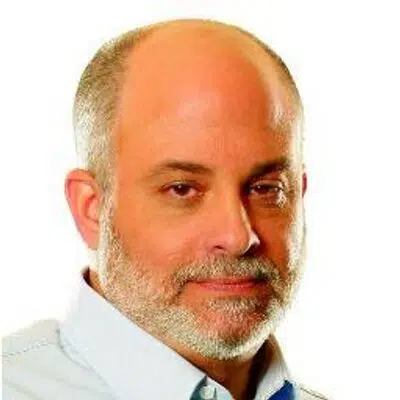


Landlords around Illinois have concerns about an amendment to the Homelessness Prevention Act that has passed both chambers and could soon be headed to the governor.
“They title the bill Homelessness Prevention. Maybe when it first came forward in the legislation they talked about homelessness, that’s just spin that they put on the bill so that people could say ‘yeah I voted to prevent homelessness’ it has nothing to do with that,” said Paul Arena, director of legislative affairs at the Illinois Rental Property Association. “In the end what they did was include a source of income as a protected class within the Illinois Human Rights Act. The bill just says those words that source of income is protected without any definitions.”
Arena said these laws already exist in the city of Chicago and the way it is enforced is: Section 8 housing is considered a source of income.
“The problem with that is Section 8 housing is a contract you enter in with the government. It’s not somebody giving you money, it’s somebody forcing you into contractual agreement,” said Arena.
Arena has 31 years experience in rental properties and he said there’s always concerns by a landlord of how do you actually participate in this program (Section 8 housing) for those who are making a choice to do so..for them it’s confusing.
“Now what they are doing is mandating and saying everyone has to do it. The contract is pages and pages long. There’s all sorts of agreements in it,” said Paul Arena. “It requires that you give the government open and free access to your business records, your office, your computers, where your records are located.”
Arena said it interferes with the sale of the property where a new buyer also has to agree with the contract in order for you to sell the property.
“You are agreeing by contract to do that prior to selling. It’s not a small thing they are asking a lot of people. If you were choosing to do it voluntarily that’s one thing, but to mandate it is something entirely different,” said Arena.
House Bill 2775 is awaiting the signature of Governor JB Pritzker.
So who sets rent amounts?
“The federal government sets standards for the rent amount. Its done by areas of the state. Section 8 only pays to those limits what they determine your market limit is. However, in some areas the housing authority has discretion to pay higher rents to get tenants into more desirable locations,” said Paul Arena.
Arena said that’s discretionary based on the region. If somebody’s rents are higher than Section 8 they are not going to necessarily force you to lower your rent to serve the tenant, but they may decide to pay more for that tenant.
“Once the tenants are in there the contract that you are forced to sign does say that they can adjust the rent at any time. In a practical application I’m not sure how that will work, but it’s another aspect of the contract that causes people to hesitate to participate,” said Arena. “The reason why people in Section 8 housing end up in housing that is less desirable is because the mandates from the program discourage people from participating.”
Arena said that housing that is attractive to the broad market usually gets snatched up and housing that is less attractive ends up being offered as Section 8 housing.
“If they fixed and improved the program they can fix that problem,” said Arena.
Now why is Illinois doing this?
“Years ago the government decided that it was too difficult to be a landlord,” said Arena. “Partially because of the rules the government proposes on the business. So they are demolishing publicly owned housing and they are looking to the private sector to fill that void. When the private sector didn’t do that, they forced you to do that.”

In 2014, Paul Arena at the Capitol in Springfield discussing strategy for I.R.P.O.A. legislation with Sen. Link. Photo courtesy to Illinois Rental Property Owners Association
Arena is asking resident to call the governor and ask him just to veto the bill.
“We ask for just a statement put in the bill that says you are not going to force people to sign the contracts. Source of income protects other sources of income too like alimony, child support, people who get paid cash, so there could be benefits from the bill if they took the contractual obligation out,” said Arena.